
What Are Stage 1 Fajas? A Complete Beginner’s Guide After Surgery
After cosmetic surgery, healing is the primary stage you encounter. It may feel exciting, emotional, and overwhelming at the same time. Your body needs structure, comfort, and reassurance during those early recovery days. That is where Stage 1 Fajas become an essential part of your healing journey.
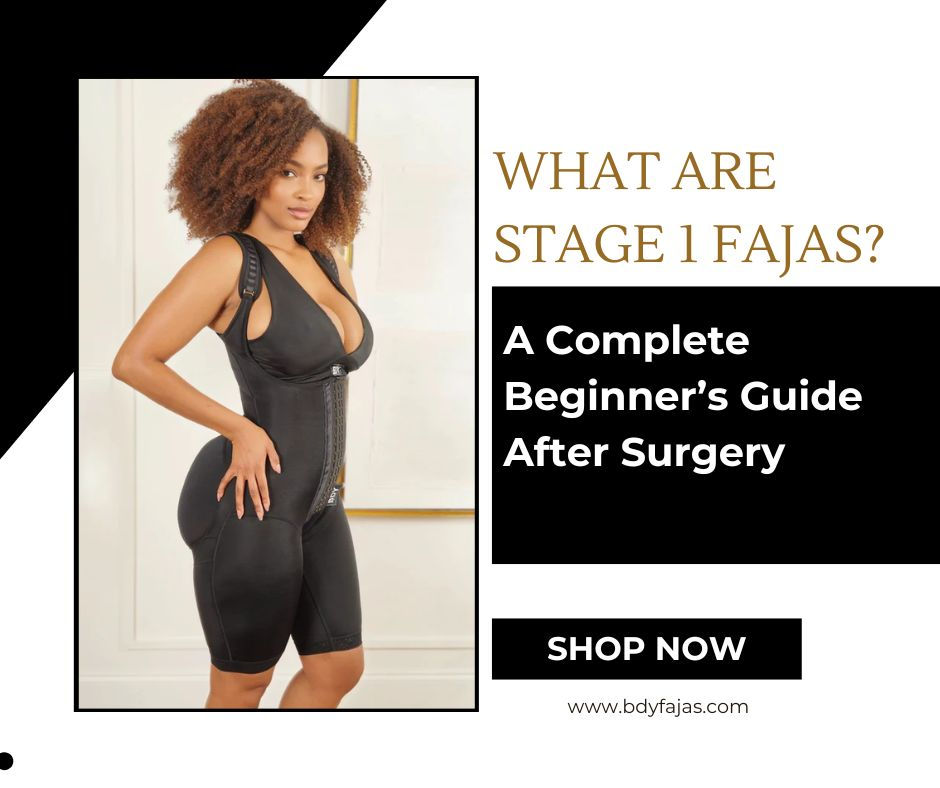
You may hear nurses or surgeons mention fajas almost immediately after surgery. Stage 1 Fajas are designed for immediate post-op recovery support. They help your body feel held, protected, and gently compressed while swelling begins to decrease.
This early phase is about safety, comfort, and helping your body adjust. You are not shaping curves yet. You are giving your body the support it needs to rest and recover.
This is a comprehensive guide on Stage 1 Fajas to assist beginners at this significant phase of recovery.
Stay connected!
What Are Stage 1 Fajas?
Stage 1 Fajas are worn right after procedures like BBL, tummy tuck, or liposuction. They are your first layer of post-op support. These fajas feel softer, stretchier, and more forgiving than later stages.
You will usually start wearing them within hours after surgery. Doctors recommend continuous wear during this stage for the best healing results. Think of them as a protective hug around your healing body.
A faja is technically a compression garment, but you should focus on how it feels. It should feel secure, not tight or painful. Comfort always comes before shaping during this phase.
How Stage 1 Fajas Feel on Your Body
The feeling matters more than the label during early recovery. Stage 1 Fajas feel smooth, flexible, and breathable against sensitive skin. They allow swelling while still offering gentle structure.
Your body will feel swollen, tender, and unfamiliar during this stage. A good Stage 1 Fajas option moves with you instead of fighting your body. You should feel supported while sitting, standing, or walking slowly.
Breathing should feel easy while wearing your faja. Pressure should feel even, not sharp or restrictive. If you feel pinching, numbness, or pain, something is wrong.
Your faja should feel like comfort, not punishment, during recovery.
Why Surgeons Recommend Stage 1 Fajas After Surgery
Surgeons recommend Stage 1 Fajas because they help manage swelling and fluid buildup. They support incisions and help your skin settle smoothly. This early support creates a better foundation for later healing.
Wearing the correct faja can also help you feel more secure emotionally. Your body feels protected, not fragile. That mental comfort matters during recovery.
Consistent compression helps reduce discomfort caused by movement. It keeps everything gently in place while your body heals internally. This is especially important during the first few weeks.
Key Features You Should Look for in Stage 1 Fajas
Not all fajas feel the same, especially during early recovery. Choosing the right features makes a huge difference for your comfort.
Look for designs made specifically for post-op wear, not everyday shaping. The wrong faja can slow healing and increase discomfort.
Important features include:
Soft, breathable fabrics that feel gentle on sensitive skin
Adjustable closures to accommodate swelling changes
Open crotch designs for easier bathroom use
Flexible compression that supports without squeezing
If your faja feels hard, stiff, or restrictive, it is not right for Stage 1.
How Long You Typically Wear Stage 1 Fajas
Most women wear Stage 1 Fajas for the first few weeks after surgery. Your surgeon usually decides the exact timeline. Healing speed depends on your body and procedure type.
You may notice swelling slowly decreasing during this stage. Your body begins adjusting and stabilizing internally. This is when some women transition toward faja stage 2 options later.
Do not rush this transition. Your body will tell you when it is ready. Comfort and healing should always guide your timing decisions.
Stage 1 Fajas Compared to Later Recovery Stages
Stage 1 Fajas are different from garments worn later in recovery. Early-stage garments focus on healing, not sculpting. They allow room for swelling and post-surgical changes.
Later stages introduce firmer compression and more structure. Some women eventually move toward faja stage 3 once healing progresses further. Those stages focus more on contouring than comfort.
Right now, your only job is recovery. Your faja should support that goal without forcing your body into shape too soon.
Common Mistakes Women Make with Stage 1 Fajas
Many women accidentally choose the wrong size during early recovery. Swelling makes sizing tricky, so flexibility matters more than tightness. Sizing down too early causes unnecessary pain.
Another mistake involves wearing the faja incorrectly. Rolling, folding, or adjusting it constantly can irritate healing areas. Proper fit prevents these issues.
Avoid comparing your recovery to others online. Everybody heals differently. Focus on how your faja feels on your body.
Pain is not progress during post-op recovery.
How Stage 1 Fajas Support Emotional Healing Too
Recovery is not just physical. Seeing your body swollen can feel discouraging. A good faja helps you feel supported and confident during this vulnerable stage.
Stage 1 Fajas help smooth the silhouette under clothing. This allows you to feel more comfortable moving around your home. That emotional comfort helps reduce stress.
Feeling secure in your garment allows you to rest properly. Rest supports healing more than anything else. Your body needs calm energy during recovery.
When to Talk to Your Surgeon About Your Faja
Always communicate with your surgeon if something feels wrong. Numbness, excessive pain, or breathing difficulty are warning signs. Do not ignore discomfort.
Your surgeon can guide you on adjustments or sizing changes. Sometimes small tweaks make a big difference. Never push through pain assuming it is normal.
Your healing journey deserves patience and care. The right faja supports both.
Conclusion
Stage 1 Fajas play a vital role during early post-op recovery after cosmetic surgery. They provide comfort, gentle compression, and emotional reassurance while your body heals. Choosing the right faja helps you move through recovery with confidence and care.
BDY Fajas understands the responsibility and comes with an excellent collection of faja garments. It explains and highlights how recovery feels on real bodies, not just charts. Their designs focus on softness, flexibility, and proper post-op support. When you choose BDY Fajas, you choose comfort, healing, and respect for your body.



Comments